Category: Opel/Vauxhall

  • GM adopts downsizing

    GM adopts downsizing

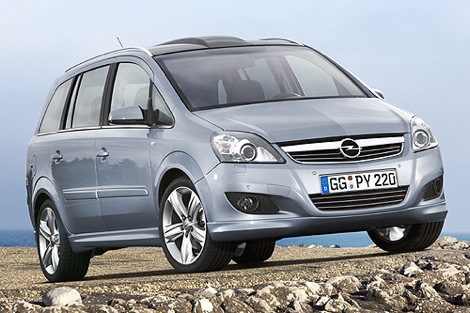
    2037409906_da299d6e9a GM has unveiled two new petrol engines destined for Europe and other regions, a 1.4-litre unit and a 1.6-litre engine.

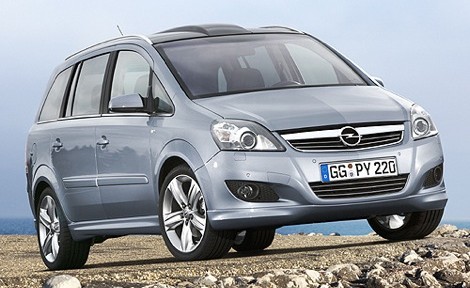
    With the two new engines, GM finally yields to downsizing by launching two new engines which will both featured on the Zafira MPV.

    The first engine is a 1.4-litre turbocharged 4-cylinder which will be available from 2010. The engine will produce an estimated output ranging from 120bhp to 140bhp and torque values of 129 to 148 lb ft. It will deliver an approximate 8 percent improvement in fuel consumption compared to a higher displacement naturally aspirated engine with similar output claims the carmaker and will be EURO 5 compliant. The new engine includes include a turbocharger integrated into the exhaust manifold, full variable valve timing, thermal management, flow-controlled oil pump, and a reinforced crankshaft and connecting rod.

    The second engine is based on the 1.6-litre engine. With the turbocharger the power output jumps to 150bhp, while the torque output is boosted to 155 lb ft. This new engine will be launched next year.

  • 10 millionth Opel Astra built

    10 millionth Opel Astra built

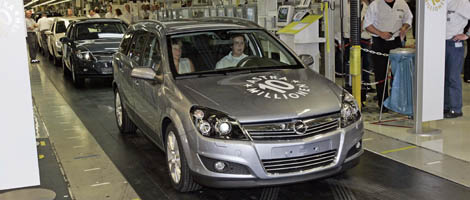
    10million_astra The 10 millionth Opel Astra rolled off the assembly line in Bochum, Germany seventeen years after its launch.

    The 10 millionth Astra is a Silver Lightning Station Wagon 1.7 CDTI. The front-wheel drive Astra is produced in eight plants on two continents. In Europe, the current models are built in Bochum, Germany; Antwerp, Belgium; Ellesmere Port, United Kingdom and Gliwice, Poland. As a truly global car, the Astra is also fully or partially assembled in Russia, the Ukraine, Brazil and Serbia. It also is the first compact class model since the Kadett B that is sold in the USA. The Saturn Astra is built in Antwerp.

    The British buy the most Astras. Last year, 119,082 units were sold in the U.K. The second-largest market is Germany with 74,226 units, followed by Italy with 43,128 vehicles and Spain with 41,282 units. The most popular Astra in Western Europe is the 1.6 ECOTEC model Enjoy.

  • Opel to build two new electric vehicles in Germany

    Opel to build two new electric vehicles in Germany

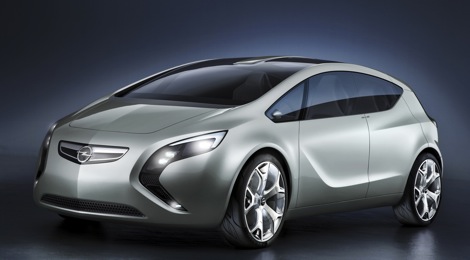
    252496 GM CEO, Rick Wagoner has announced that Vauxhall/Opel will build two new electric models in the coming years. the first model will be a production version of the Flextreme concept-car and the second a MPV based on the Delta platform.

    The production version of the Flextreme concept car unveiled at the Frankfurt Motor Show last year will share its technology with the Chevrolet Volt. The main engine will be an electric unit expected to deliver 150bhp and will use lithium-ion batteries. The second vehicle will be larger and will be roomier than the Flextreme concept car thanks to its minivan bodystyle. The two models will be built in Germany.

    The two new vehicles will be part of an ambitious plan to unveil 20 new models Bentley 2012. GM Europe plans to invest £7 billion to develop the future models.

  • Vauxhall unveils the Astra VXR Nürburgring Edition

    Vauxhall unveils the Astra VXR Nürburgring Edition

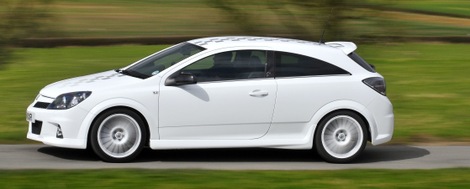
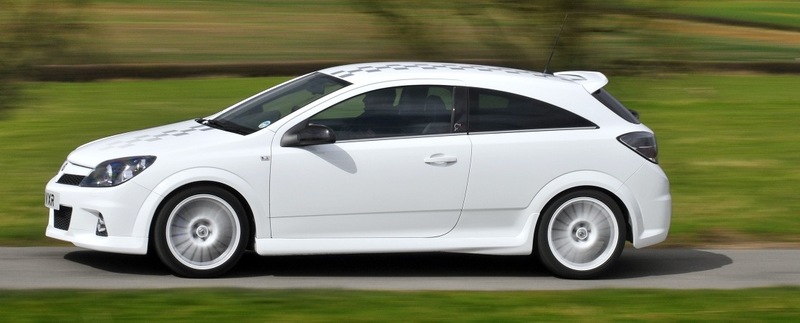
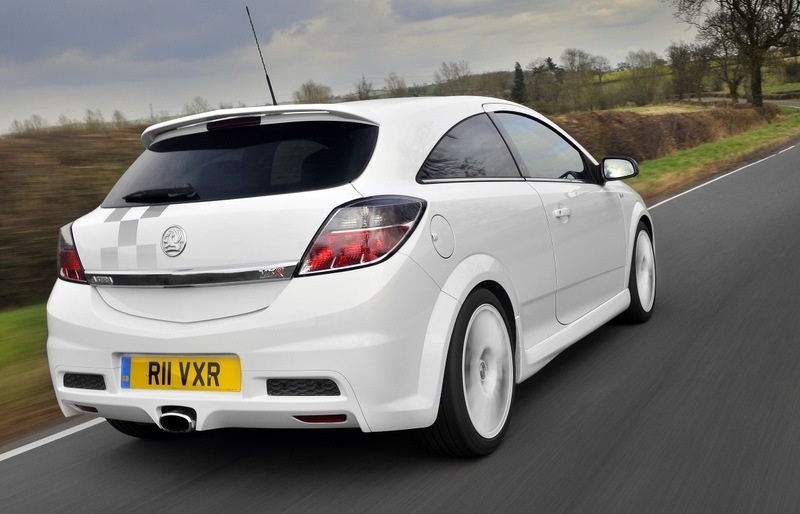
    55123evau There are plenty of hot hatches on the market, but they’re sometimes too common. So, Vauxhall has had the idea to launch a limited edition of the Astra VXR to celebrate the famous race track.

    Based on the standard Astra VXR and priced at £21,295, each individually numbered Nürburgring edition will come with an exclusive all-white paint finish and lightweight white 18in alloy wheels, equipped with bespoke Dunlop tyres, are also specified. Other exterior features include dark tinted windows, carbon fibre effect mirrors and B-Pillars and distinctive chequered flag body graphics, to further emphasise the car’s incredible performance.

    55123gvau Mechanically similar to the standard VXR, the Nürburgring Edition produces 240bhp, giving it the ability to accelerate from 0-60mph in 6.2 seconds and on to an electronically-limited top speed of 155mph. Each UK-specification car will also come provided with a Remus Sports Exhaust, developed with Vauxhall’s BTCC race team, Triple-Eight Race Engineering, which provides a power increase of up to 15PS.

    55123avau Like the standard car, the Nürburgring Edition benefits from a six-speed manual gearbox and lowered, uprated VXR suspension with ESP as standard.  There are also the wider front and rear tracks and lower un-sprung weight offered by the new alloy wheels.  Ventilated 321mm diameter disc brakes at the front and 278mm diameter discs at the back help slow things down, while blue-painted callipers remain a VXR trademark.

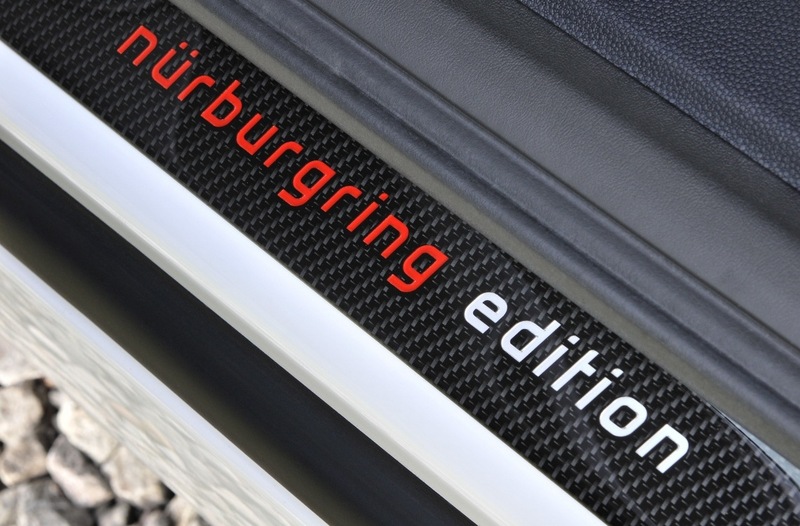
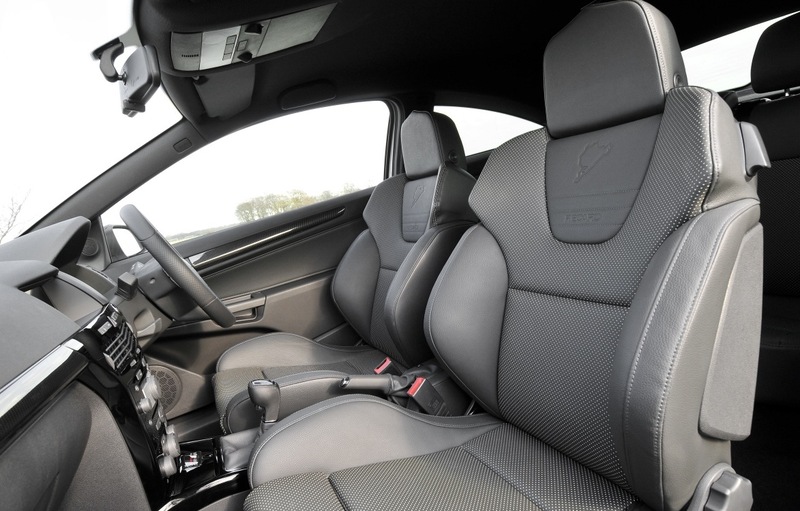
    55123cvau The Nürburgring Edition theme continues inside, with carbon fibre detailing on the door trims and fascia, bespoke leather seats with the Nürburgring circuit graphic embossed into the Recaro front seat backrests and an individually numbered plaque showing each car’s build number.

    Optional extras include electronic climate control (£275), cruise control (£200), electric foldable door mirrors (£125) and adaptive forward lighting (£750).

    In fact, the only thing it doesn’t come with is one of those Nürburgring bootlid stickers you can buy when you do a lap of the circuit. Such a shame, as it means you’ll have to drive it there and buy one yourself.

  • First pictures of the Opel Insignia

    First pictures of the Opel Insignia

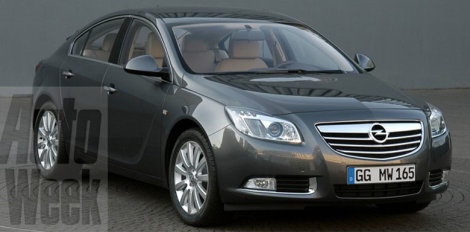
    Opel_insigna Leaked images of the future Insignia have emerged on the Internet.

    The saloon you see here is the Insignia model that Vauxhall will unveil at the next London Motor Show. The Insignia is the company’s new attempt to spearhead a revival of its offer on the family car market segment. With the new Insignia, Opel/Vauxhall wants us to forget the Vectra and its poor brand image.

    Like the new C5 and the Mondeo saloons, the new Insignia will move upmarket by growing in size but also by featuring an appealing design that takes its styling cues from the eponym concept car unveiled in 2003 and the GTC concept car seen last year in Geneva.

    Opel_insignia_tdb_2 The GTC will be available with five petrol engines and four diesel units. The petrol offer will start with a 113bhp 1.6-litre engine, followed by the 138bhp 1.8-litre unit, the 178bhp turbocharged 1.6-litre engine, the 197bhp turbocharged 2.0-litre and topped by a 256bhp 2.9-litre V6 engine. The diesel range will offer a 2.0-litre unit delivering 108bhp, 128bhp or 158bhp, and a new 247bhp 2.9-litre V6 engine.

    Source: Autoweek

  • New Griffin logo to debut on Vauxhall Insignia

    New Griffin logo to debut on Vauxhall Insignia

    255941 Due to be unveiled at the next British International Motor Show in July, the eagerly-awaited Vectra-replacement model, the Insignia, will feature a new Vauxhall logo.

    The Insignia will be Opel/Vauxhall’s attempt to spearhead a revival in the upper segments. After changing its name from Vectra to Insignia, the future saloon will sport a new badge in the UK. The new logo will be more dynamic and contemporary look claims the carmaker. It will appear progressively on every all-new Vauxhall launched in the future.

    Bill Parfitt, Vauxhall’s Managing Director, said that the new-look Griffin represented far more than just a badge re-design: “While the new-look Griffin pays homage to our 100 year-plus manufacturing heritage in the UK, it also encapsulates Vauxhall’s fresh design philosophy, first showcased in the current Astra, and set to continue with Insignia.”

    The Insignia will be a milestone for the carmaker. Will it make a return to the upper market segments after the Vecta and Signum fiasco. The company takes all opportunities to make the future Insignia be special like its new headlight system.

  • Vauxhall fights against papparazi

    Vauxhall fights against papparazi

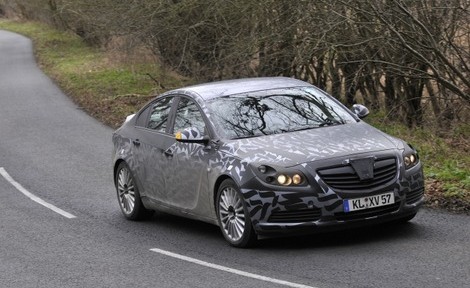
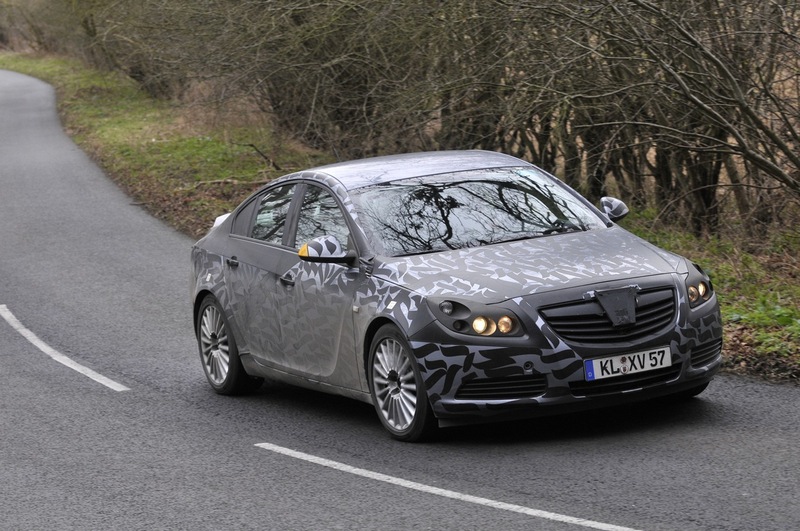
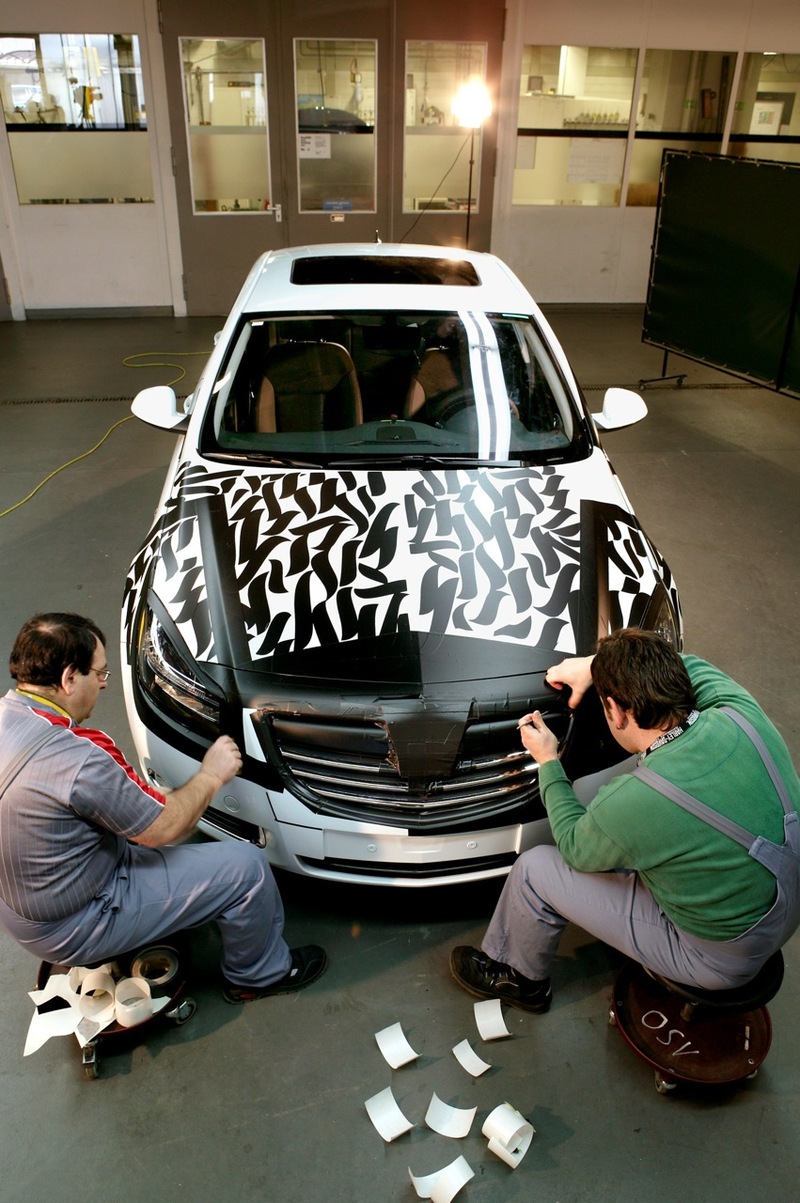
    Vauxhall_insignia_1 Vauxhall has released some official spyshots of the future Insignia under the form of an unexpected press release called ‘Camouflage and disguise: fight against prototype paparazzi’.

    Vauxhall is teasing us with a rather humourous press file describing how hard its engineers work on camouflage to hide the future models from the prototype hunters. Vauxhall takes the problem very seriously and explains how designers and engineers develop a “facelift” for the upcoming model that will disguise the prototypes as much as possible.

    Vauxhall_insignia_2 For this part of the camouflage operation, experts use special adhesive and foil, which ensures a smooth surface and remains flexible and tear-proof at temperatures ranging from minus 40 to plus 70 degrees Celsius. In other areas, the foil is shimmed with foam to change the car’s contours. This adhesive material is also used to camouflage characteristic window lines. Small, highly contrasting covers are fitted to obscure other prototype body surfaces. For years, the practice at Vauxhall/Opel was to use a black and white chessboard pattern, but this has now been replaced by “Fishies”, rounded, fish-shaped diamonds designed to confuse camera lenses and spying eyes. This disguising job will soon be done even better by Flimmies, a new type of camouflage whose pattern creates a flickering effect.

    The company also explains that one of the major weakness is always the technicians associated with the test car, which is why Vauxhall has a strict set of rules concerning prototypes. For example, the serious Rule 531 states that no camouflaged test car may stop in a public place, for instance, while the driver has a quick snack. A tarpaulin must also always be on board, as even Vauxhall prototypes sometimes break down during their test phase and must then be quickly covered over.

    Vauxhall_insignia_3 To protect plant secrets, prototypes are always accompanied by a second car on public roads, so help is always at hand if needed. Over long distances prototypes have to be transported in closed trucks, such as for test driving in Finland. In the past, resourceful photographers would all too often quickly lift up the truck’s tarpaulin and snap some shots while the driver was taking a well-deserved break.

  • Opel releases a new teaser of the future Insignia

    Opel releases a new teaser of the future Insignia

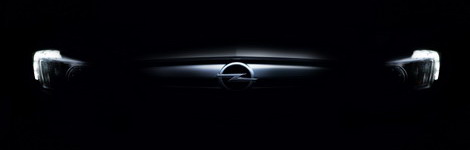
    2008_insignia_01 Opel has released a new teaser under the form of the front fascia. Indeed, the Insignia will feature an all-new intelligent lighting system.

    Developed in partnership with Hella, the new Adaptive Forward Lighting,  AFL in short, automatically adjusts headlamp beam distribution to the prevailing road profile and visibility conditions. The system features nine lighting functions:

    – A Town Light mode that provides, at speeds under 30mph, a wider, beam with reduced range. This helps the driver see pedestrians at the edge of the road better.

    – A Pedestrian Area Light mode that is for zones where the driver must exercise extreme caution. It is activated at speeds between 2 and 20mph, and adjusts the cone of light for both headlamps by eight degrees toward each roadside. This function helps the driver see children playing next to the road earlier.

    – A Country Road Light mode that provides a brighter and more wide-ranging beam to the sides of the road than a conventional low beam. It is activated between 30 and 62mph.

    – A Highway Light that creates a cone of light that illuminates the road ahead and the left-hand roadside better. The Highway Light activates automatically above62mph, but only when the steering angle sensor indicates that the road’s curve radii do not match that of a country road.

    – An Adverse Weather Light mode that is activated during rain or snow when the rain sensor recognizes rain or the windshield wipers are switched on. This light function varies both the headlamp beams’ distribution pattern and its various outputs. The headlamp beam distribution is directed more toward the roadsides (slightly less to the left) to make the guiding lines easier to see. As the left headlamp beam output is reduced from 35 to 32 watts, the risk of blinding oncoming traffic is also minimized. Conventional headlamp beams are often irritating to oncoming traffic in such weather conditions, as the beams reflect off the wet road surface. The right headlamp beam output is increased from 35 to 38 watts to further improve the driver’s visibility.

    – A Static Cornering Lightmode that  illuminates an area to the right or left of the vehicle up to an angle of 90 degrees, making maneuvering easier in poorly illuminated areas, such as on dark access roads. It is activated at speeds below 25mph either by a large steering angle or by the turn indicators.

    – A Dynamic Curve Light that ensures improved illumination in curves. Curve Light’s bi-xenon headlamps shine at up to 15° right and left of the vehicle into the oncoming curve. The Curve Light angle is determined by the car’s speed and steering angle.

    – A High Beam Light  that provides maximum headlamp beam output and range. Rather than beam asymmetrically, the High Beam Light optimally illuminates the full width of the road. The headlamps’ output also increases from 35 to 38 watts.

    – A High Beam Light Assistant mode, which is both an innovation in this segment and offers a considerable safety advantage when driving in darkness. The Assistant automatically activates the High Beam Light for better road illumination and therefore improved visibility. The system’s camera recognizes the headlamps or tail lights of other vehicles and automatically switches the headlamps to low beam when required to prevent blinding other road users.

    The Insignia will be officially unveiled at the British Motor Show this summer.
  • Geneva: Opel Meriva Concept

    Geneva: Opel Meriva Concept

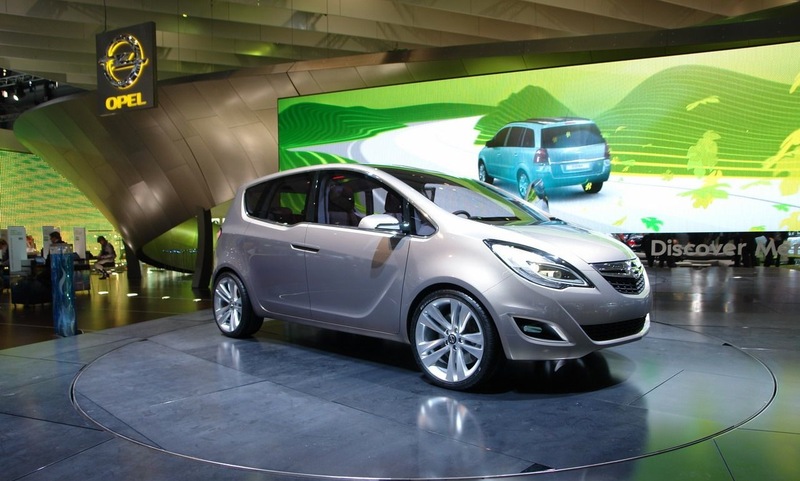
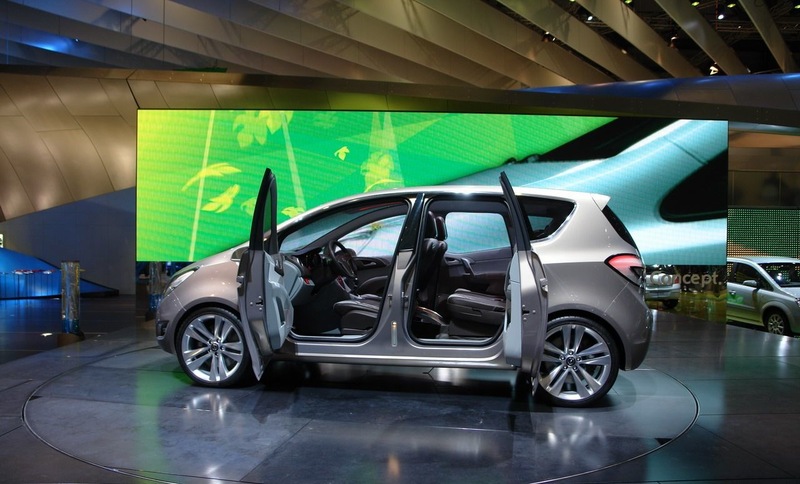
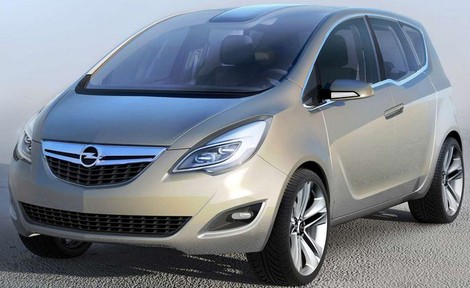
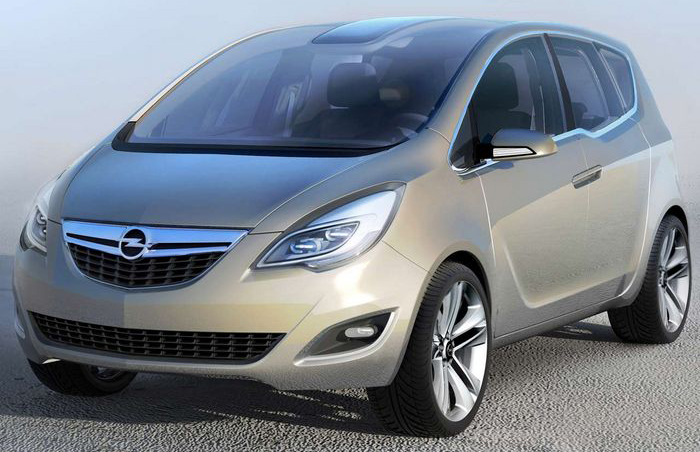
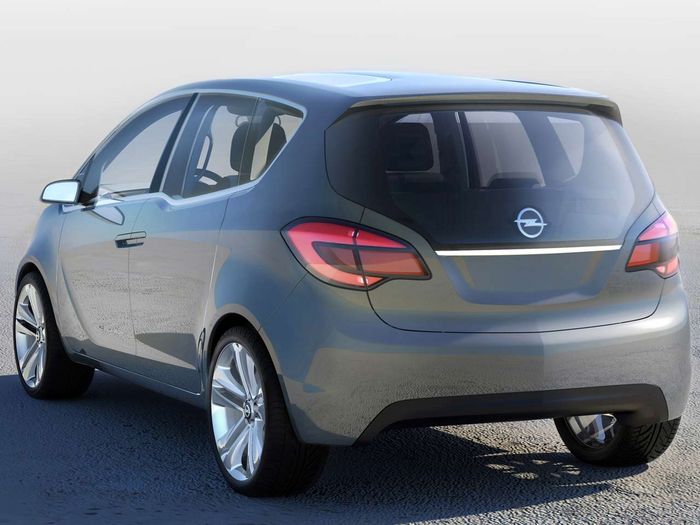
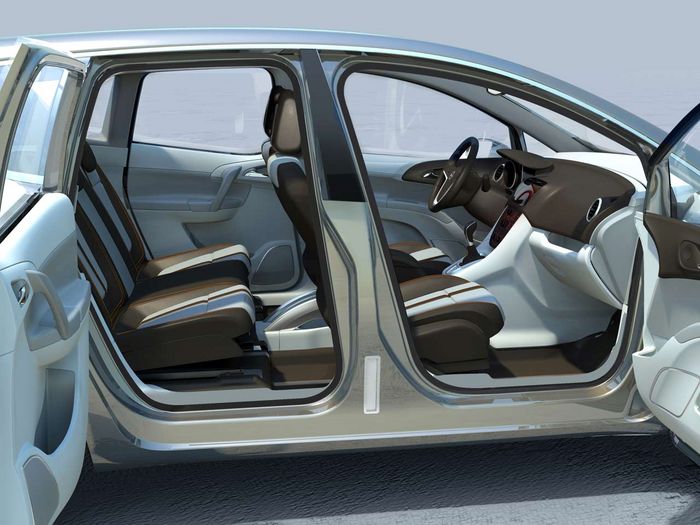
    2008_merivaconcept_09 Opel has unveiled the Meriva Concept that previews the next-generation Meriva due to appear next year. The Meriva concept features rear-hinged doors called Flexdoor.

    2008_merivaconcept_05 With the rear-hinged doors, Opel hopes to help parent’s life by improving access to the rear seats. if you have ever tried to get your small children off the car, you will understand how the Meriva might change the order in the small Minivan segment. Already leader, the next Meriva might oblige other carmakers to reconsider  their model architecture.

    On the inside, the rear seats can be easily removed and the interior provides a lot of storage compartments. The Meriva Concept seems to be roomy enough for four tall passengers. because it is much bigger than the current generation. The Meriva Concept offers similar dimensions to that of the former Citroen Picasso. Opel hasn’t confirmed whether the next-generation will keep the same dimensions or not.

  • Official pictures of the Meriva Concept unveiled

    Official pictures of the Meriva Concept unveiled

    Merivop_0 Here are the first official pictures of the Meriva Concept that Opel will unveil at Geneva next week. The Concept car previews the next-generation successful Meriva model and comes with rear-hinged doors called Flexdoor.

    Merivop_1 Opel calls it the Meriva Concept, but it’s the Meriva, which arrives next year, minus the glitzy showcar bits. With the Meriva, Vauxhall/Opel will one step further into the wild with a design that will send the Lancia Musa and Renault Modus to the forgotten pages of the automotive history books. The Meriva Concept carries the future brand’s DNA that will appear with the next-generation Vectra/Insignia.

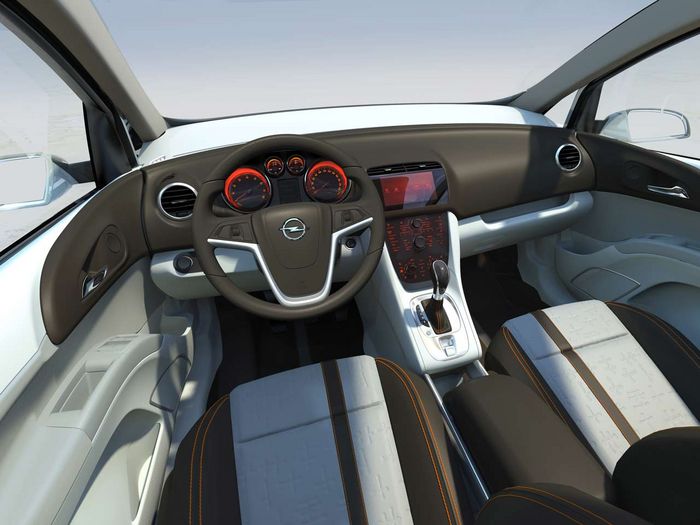
    Merivop_2 The interior styling confirms the concept car is close to production with a dashboard similar to the Zafira’s. The ‘flexdoor’ boots the aperture of the car and will likely offer more headroom to the rear pasengers. It will also be a major selling point for mothers as it is not easy to get the child off its seat in the current cars’ architecture.

    Merivop_3