Category: VW

  • Volkswagen debuts the 296bhp Passat in the UK

    Volkswagen debuts the 296bhp Passat in the UK

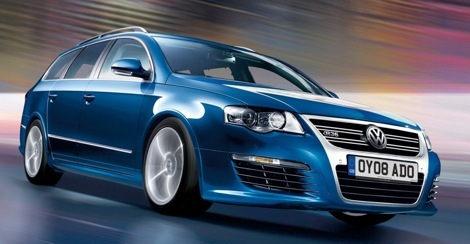
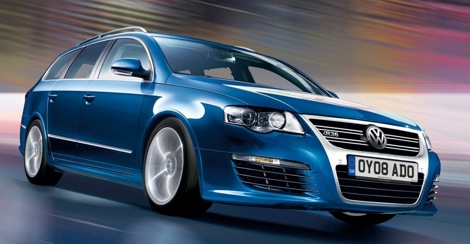
    280408vw VW has launched the most powerful Passat ever, the R36 powered by a 296bhp 3.6-litre engine.

    The new Passat’s flagship is powered by a naturally-aspirated 3.6-litre V6 engine which delivers a power output of 296bhp and a torque output of 258 lb ft. The engine is hooked up to a six-speed DSG gearbox and power is transmitted to the wheels by the in-house all-wheel drive system called 4Motion. As a result the saloon is capable of accelerating from rest to 62 mph in 5.6 seconds for the saloon and 5.8 seconds for the estate. The two variants reacha limited top speed of 155mph.

    Along with the poweful engines, the new Passat R36 comes with unique equipments which includes 18in wheels and blue brake callipers. The R36 is also lowered by 20 mm. The exterior styling features a new chrome grille sporting the ‘R36’ badge and a new front bumper with three large air intakes. At the rear end, the R36 comes with a set of twin tailpipes. On the inside, the R36 comes with unique front seats designed to offer greater lateral support and a new sporting wheel integrating the paddles for the DSG gearbox.

    The Passat R36 available in either saloon or estate variants. The saloon starts at £30,990, while the estate asks for an additional £1,160. Options include a choice of four colours ranging from silver to black, blue and grey.

  • Volkswagen “Park Assist Vision” video

    Volkswagen “Park Assist Vision” video

    2104083vw Here is a video of the astonishing “Park Assist Vision” that Volkswagen unveiled at Hanover.

    The system uses two cameras located in the left and right exterior mirrors which are responsible for gauging the dimensions of the parking space. The video signals are transmitted to a 2-GHz high-performance computer which then analyses them and sends commands to the steering and drive systems. If the driver has himself initiated the parking manoeuvre, the “Park Assist Vision” will reverse the vehicle into the parking space in accordance with the previously computed course and using electromechanical power steering, the electronic parking brake, DSG and the engine power produced by the idling mixture. Two additional cameras at the front and rear of the vehicle as well as the system’s ultrasound sensors monitor the operation and will stop the vehicle if necessary. The driver may also interrupt the manoeuvre at any time using the remote control.

  • Volkswagen rules out Mexico and Canada for its future factory

    Volkswagen rules out Mexico and Canada for its future factory

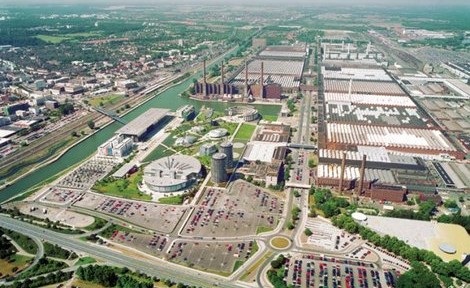
    Db2008au00015_medium_2 According to company sources, the German carmaker has ruled out Mexico and Canada as location for the future factory.

    Volkswagen sales suffer from the strong Euro and can’t compete with the Japanese models built and sold in the US. The only solution the carmaker found is to build there its models destined for the US market. a new milestone has been passed as a company official has revealed that Volkswagen has ruled out Canada and Mexico as a possible location. The US is the elected country, and Georgia and South Carolina are the favourite to get the future factory.

    Volkswagen wants the factory to be ready by 2011 and has decided to speed up the decision process to meet the deadline. In addition to this new production line, the German carmaker will also build another plant to produce engine and transmissions.

  • Volkswagen’s designer talks about the Scirocco

    Volkswagen’s designer talks about the Scirocco

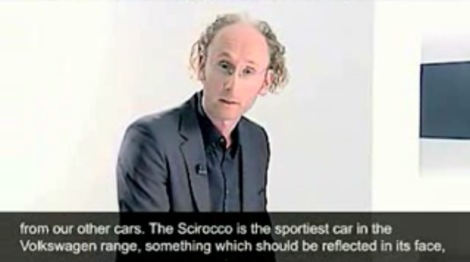
    Sciroccodesigner The German carmaker has released video showing the Scirocco’s head designer March Lichte trying to convince us that the latest German coupé is as sexy as a German sausage.

  • Volkswagen unveils “Park Assist Vision”

    Volkswagen unveils “Park Assist Vision”

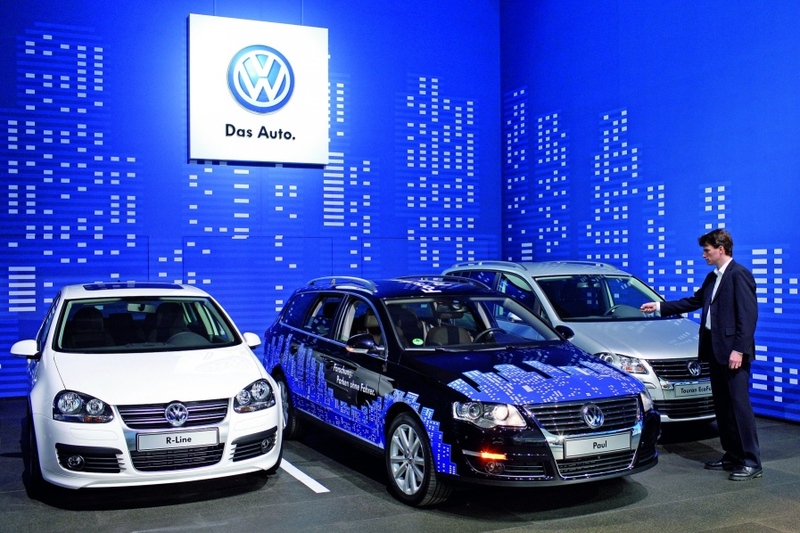
    2104083vw Volkswagen has unveiled the “Park Assist Vision” which independently guides the equipped vehicle, a Passat, into any parking space.

    Imagine that you need to park the car, but are too lazy to do it. With the “Park Assist Vision”, get out of the car, slams the door, walks away and  aim a remote control back at the car. Your car now proceeds to reverse park itself into the available space, it then independently cuts the engine and activates the door locks. You dreamt it, VW did it. Volkswagen is now presenting a concept system at the Hanover Fair which is capable of perpendicular parking – and of doing so fully automatically. The only thing the driver needs to do is select an available space on the monitor of the navigation system, set the selection lever of the automatic-drive vehicle (DSG) to “P” and alight from the car. The driver can, of course, choose to stay in the vehicle until the vehicle has been manoeuvred into its space.

    Two cameras located in the left and right exterior mirrors are responsible for gauging the dimensions of the parking space. The video signals are transmitted to a 2-GHz high-performance computer which then analyses them and sends commands to the steering and drive systems. If the driver has himself initiated the parking manoeuvre, the “Park Assist Vision” will reverse the vehicle into the parking space in accordance with the previously computed course and using electromechanical power steering, the electronic parking brake, DSG and the engine power produced by the idling mixture. Two additional cameras at the front and rear of the vehicle as well as the system’s ultrasound sensors monitor the operation and will stop the vehicle if necessary. The driver may also interrupt the manoeuvre at any time using the remote control.

    This new driver assistance system is still in the trial phase of development, and a date has not yet been set for introduction of the system to series production.

  • VW Up to achieve 80-90mpg

    VW Up to achieve 80-90mpg

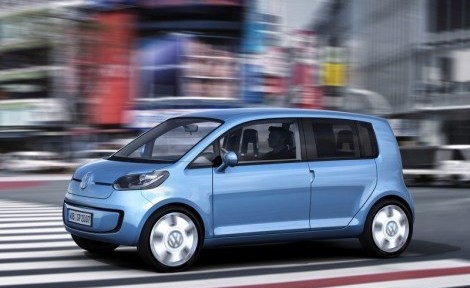
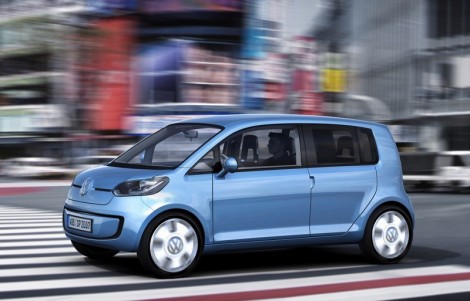
    Vw_up Volkswagen is working hard on its small budget car which will be close to the three concept cars unveiled last year according to a AutoExpress.

    As promised by the German carmaker, the production version will offer a exterior styling similar to that of the concept cars except for the front fascia and the taillights. The front end will be redesigned to adopt the corporate fascia sported by the Golf. On the inside, the dashboard will keep its touch-screen LCD panel seen on the concept cars which featured an interface similar to that of the Apple iPhone. It isn’t confirmed whether this high tech screen will be available in emerging markets or not.

    The future model will be available in three and five-door hatchbacks at first . Later, a minivan variant will be launched. Under the bonnet, the Up will be powered by a 0.6-litre engine in either normally aspirated or turbocharged versions. Petrol and diesel will be offered. Secrecy surrounds the power output, but fuel efficiency will be favoured instead of performance. It is rumoured that the future small car will achieve an impressive consumption between 80 and 90mpg. In addition to the tiny engine, Volkswagen is considering adding a 1.2-litre unit and a hybrid solution.

  • VW to build a SUV based on next-generation Passat

    VW to build a SUV based on next-generation Passat

    Popup600_419c00_3165_d00_3075_small The German carmaker is planning to build a new model based on the Passat to reinforce its SUV lineup.

    With the goal to overtake Toyota by 2018, Volkswagen double its efforts to expand its lineup and to compete on all segments. After the Passat CC, the German carmaker is currently working on a future SUV based on the next-generation platform Passat. The future model will be VW’s attempt to get a share of the growing premium SUV market segment dominated by the BMW X3.

    The largest market will be the US as dealers complain about the Tiguan, too small and too expensive for American buyers. Along with the BMW X3, the future SUV will compete with the Mercedes GLK, the Volvo XC60, the Infiniti EX37 and the eagerly-awaited Audi Q5. However, the Passat SUV will differ from competition by being a seven seater model.

    The future SUV won’t share its underpinnings with the Audi Q5 as it might be obvious, but the company wants to keep the production costs as low as possible. Sharing the platform with the next Passat will certainly help. It might even be possible to extract a Skoda version as the new Superb shares its inner structure and engines with the current Passat.

  • Spyshots: VW Lavida

    Spyshots: VW Lavida

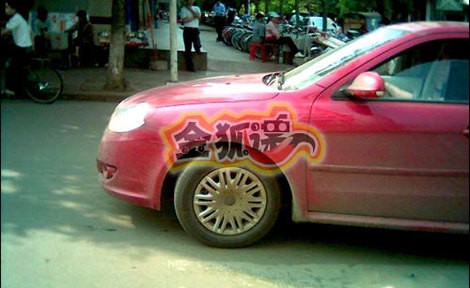
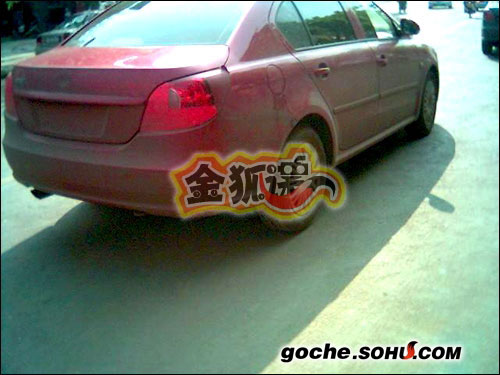
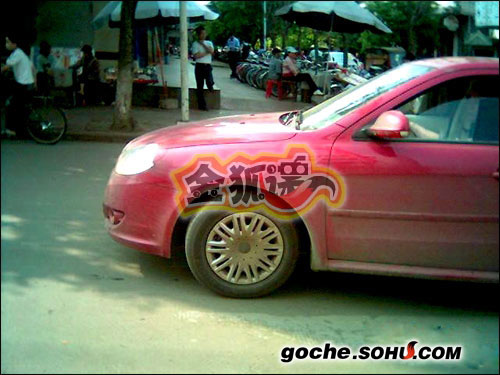
    Img256144570_2 The VW Lavida was surprised during testing by Chinese spy photographers. The future saloon will be unveiled at the Beijing Motor Show.

    The Lavida is expected to be sold as an upmarket model which might feature equipment seen on more expensive models. It is rumoured to use the Bora’s underpinnings, but with a final increased length of 100mm. The Lavida will be powered by 1.88-litre and 2.0-litre petrol engines.

    Img256144572 With this new model, Volkswagen will try to take on the successful Buick Excelle which will be also facelifted at the Beijing Motor Show.

    Source Chinacartimes

    Img256144573

  • Volkswagen Recalling 410,000 Passats in the U.S

    Volkswagen Recalling 410,000 Passats in the U.S

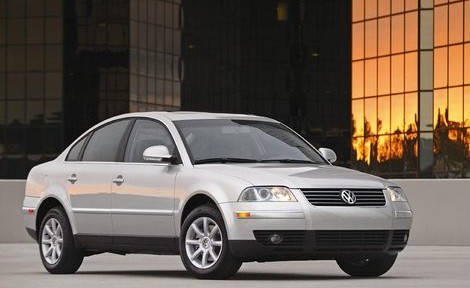
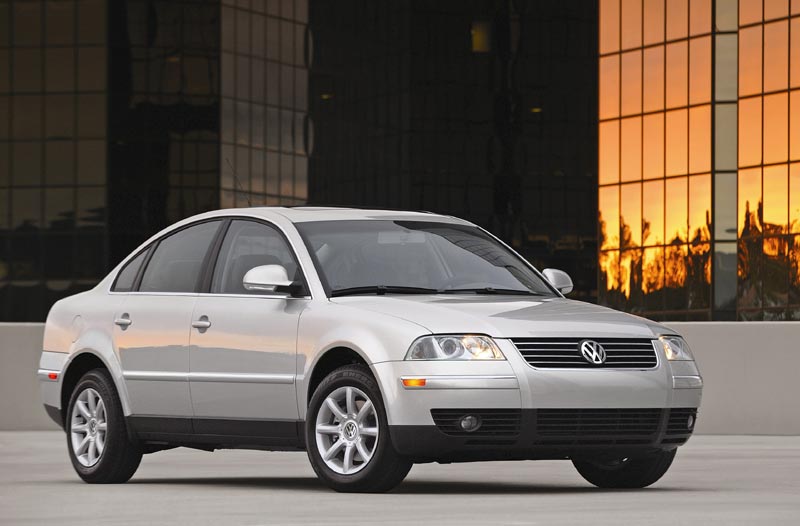
    04passat18t4m_1 Volkswagen has announced it will recall every petrol-powered 410,000 Passat sold in the US between 1999 and 2005 to fix a few defects which might cause concern for safety.

    The concerned vehicles might have a faulty heat shield near the catalytic converter. Along with this problem VW will also fix a faulty fuel line on the turbocharged 1.8-litre powered models and a potential damaged fuel tank ventilation valves on all-wheel drive models.

    No injuries or accidents have been linked to the recall issues and owner will be contacted by end of May.

  • VW Passat CC to be called CC

    VW Passat CC to be called CC

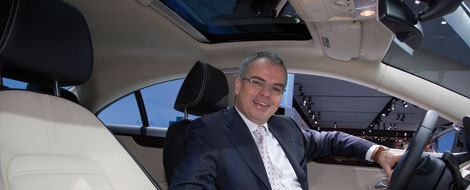
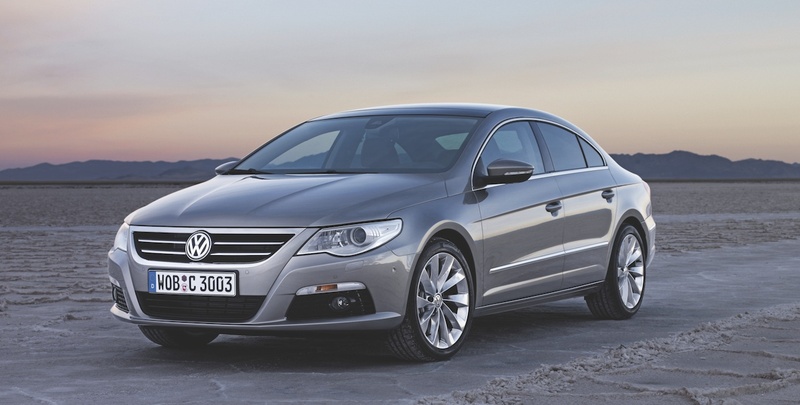
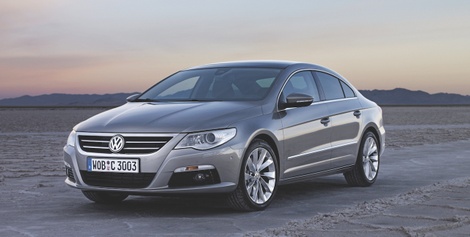
    Vw_passat_cc_1 Unveiled as a Passat CC, the Volkswagen four-door coupé will finally drop the Passat moniker to be simply called CC. By dropping the Passat link, Volkswagen hopes the CC will move upmarket and sit between the Passat and the future Phaeton.

    Volkswagen wants to convince us that its four-door coupé is not a Passat in a attempt to position the CC as an all-new car and as a premium model at at time when the company suffers  from a fierce struggle on for the pie of the saloon market.

    Halfway between a saloon and a coupé, the latest variant of the Passat is an attempt at convincing us that another concept of travel exists: a separate luggage compartment, a lowered centre of gravity and above all a sleek shape in contrast with the current trend which promotes van-shaped vehicles with high driving positions and tailgates.

    The CC distinguishes itself from the Passat by a curve that runs from the A pillar to the aft. This flat curve is emphasised by the chromed arc bordering the windows. The CC also features familiar styling cues from the CLS such as the line running from the front wheel arch to the rear of the car, and the door handles. the design of the CC is appealing and compared to its lacklustre sister, the new CC looks sportier and more elegant. However, the overall design looks a bit outdated as it reminds us the CLS, of course, but also the old Peugeot 607. Oddly, the three cars have been designed at a time when Murat Günak was working in those companies.
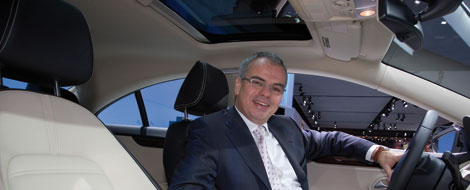
    Vw_passat_cc_2 At 4,796 mm long, 1,856 mm wide and 1,420 mm high, the CC is 31 mm longer, 36 mm wider but 50 mm lower than the classic Passat. Despite a lower roofline, the CC seems to be roomy enough for four passengers and their luggage as VW North America’s chief Stefan Jacoby showed it during the presentation at Detroit. Thanks to an appealing exterior styling and decent roominess, the CC would hold the aces if Volkswagen hadn’t failed with the interior styling whose overall atmosphere is too reminiscent of the saloon.

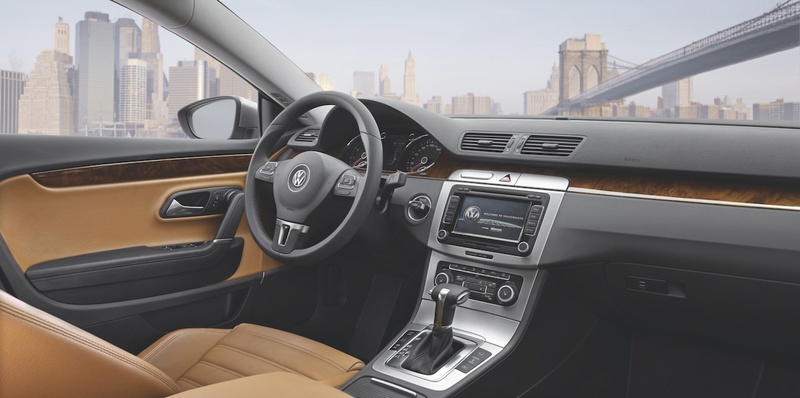
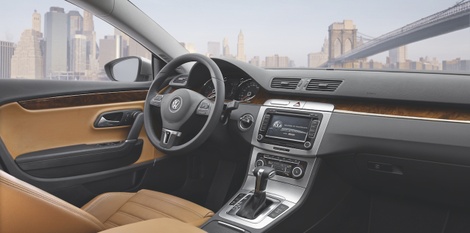
    Unquestionably, the biggest drawback is the dashboard which is identical to the saloon’s. In an attempt to give an upmarket touch, the CC is available with a choice of three new leather steering wheels. They all will have three spokes like the topping Passat versions but the lowerspoke will feature a kind of dual spoke with an integrated metal application. Likewise designers tried to mix aluminium and wooden panels as seen on top of the range versions in France and Germany except that the CC offers an exclusive brushed aluminium panel.

    The front sport seats are also identical to that of its contemporary saloon counterpart. The driver seat is electrically powered in six ways while both front seats can be powered in twelve ways as an option. The novelty comes from a climate function which ventilates the seat and seatback surfaces thanks to tiny fans. There is a choice of any colour you like for the ventilated seats as long as it’s black. Front passengers will also enjoy a large windowed sunroof.
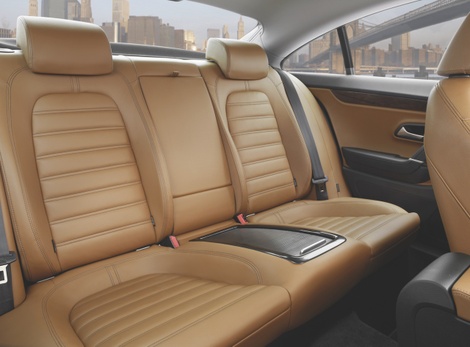
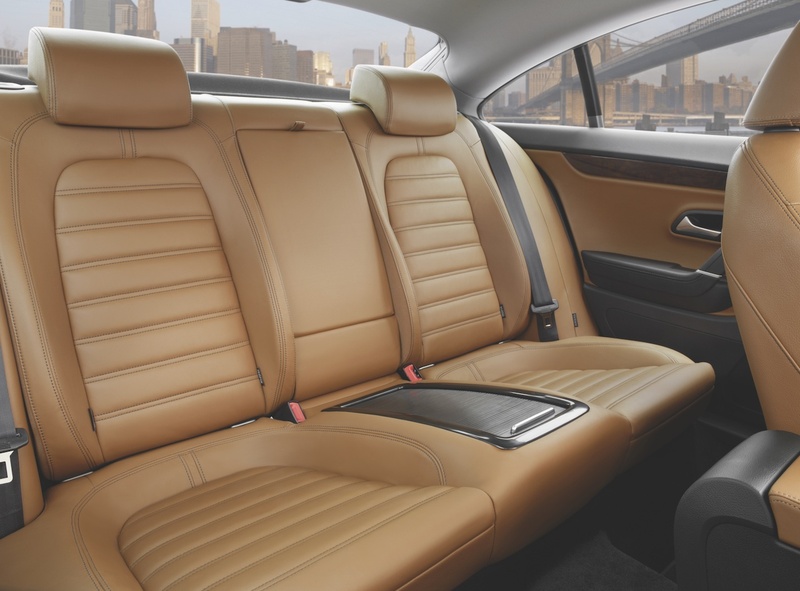
    Vw_passat_cc_3 In order to accommodate only two persons, The rear seats adopt a sporty shape with larger lateral support. In case you would still like to seats three persons, the central storage compartment will keep you of doing it. As in front, the storage has two beverage holders with a sliding cover to close them. Once again, Volkswagen has been over-srupulous in not providing a seamless transition from the front to the rear tunnel trim.

    Under the bonnet, the CC will be available with a range of three petrol engines and two diesel units. The entry-level will be powered by the TSI 1.8-litre petrol unit which has an output of 158bhp, followed by the 197 bhp TSI 2.0-litre engine. The range will be topped by the 296 bhp FSi 3.6-litre unit. In Europe, Along the petrol engines, the CC will also come with diesel units, a 138bhp and a 168bhp, both with a displacement of 2.0-litre. If the petrol engines will be enough to battle on the American market, the lack of a powerful diesel engine for Europe might become a major weakness at a time when even French carmakers plan to release 265bhp diesel units.