Blog

  • Honda Pilot to be unveiled at the Detroit Motor Show

    Honda Pilot to be unveiled at the Detroit Motor Show

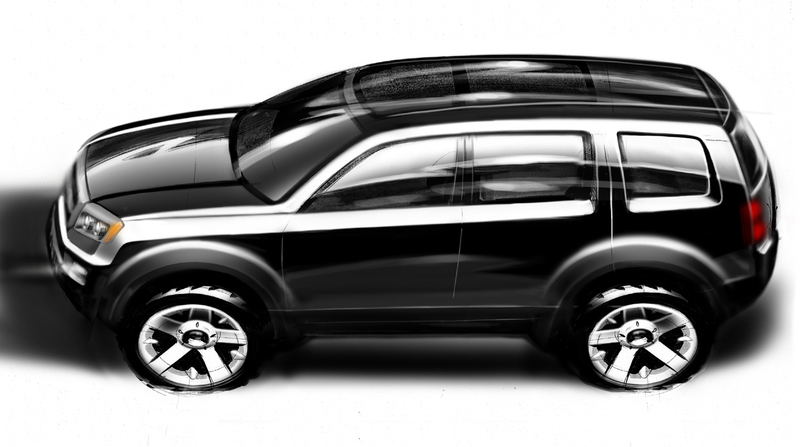
    Hondapilotsketch
    Honda has released a sketch of the Pilot concept car which will preview the next-generation Pilot due to be on sale from 2009. From the sketch, it appears that Honda designers took inspiration from Jeep models.

    The SUV will share its underpinnings with the current Acura MDX, renewed this year, but will be less aristocratic and “will emphasize authentic SUV styling, clever interior packaging and advanced technologies for safety, fuel efficiency and convenience.“ according to the press release.

    The SUV will likely be powered by the 300bhp 3.7-litre V6 tuned already seen in the MDX unless the car maker wants to differentiate more both SUVs and fit the Pilot with the current 240bhp 3.5-litre V6 petrol unit.
  • Porsche Leipzig factory tour

    Porsche Leipzig factory tour

    Porsche_leipzig_factory_tour
    Yesterday, we mentioned the Nissan GT-R factory tour. As the GT-R took the Porsche Turbo as a reference and might steal sales from the German car maker, it is fair to have a look at how Porsche builds cars. The factory tour is not the Zuffenhausen’s plant but the Leipizig built for the Cayenne model.

  • November sales for the French market

    November sales for the French market

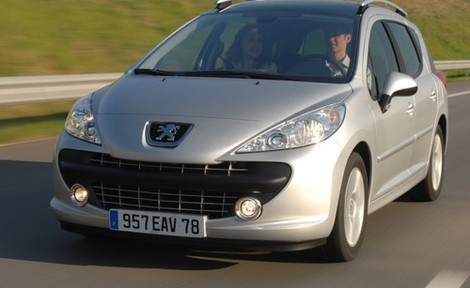
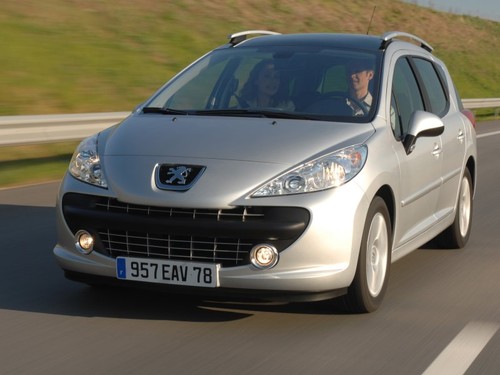
    20706040031m
    Once again the 207 topped the French chart for November with 10,307 vehicles delivered. The Renault Clio III ranks second while the Citroen C4 Picasso finished third. Renault delivered 8,915 vehicles. The detailed statistics reveals that the 207 alone scored 7,858 but once the SW and the CC models added, the small French car’s sales increase by 31%. When the Renault Clio III estate hits the showroom, the overall range will likely overtake the 207. The third position is very good news for Citroen as the compact MPV overtakes the ubiquitous Renault Scenic for the first time with 8,577 vehicles for the former and 6,725 for the latter.

    Among imported cars, the Volkswagen Golf ranks first and arrives at the ninth position in the market thanks to a 14.5% increase to 3,641 vehicles. Niche models performs well as the new Mini arrives thirty-second with 1,599 vehicles and the iconic Fiat 500 takes the forty-fifth rank with 1,189 vehicles just four months after its launch. Oddly, the former Clio II scores better than newer foreing rivals as the small car launched in 1998 has been sold at 2,089 units.

    Among the new models, the Renault Laguna III doubled its sales over the previous month with 3,418 vehicles and is ahead of the Peugeot 407 whose sales decreased by 40%. The future C5 officially launched in next January will likely be a tough contender and might threaten the 407.

  • Aston Martin Vantage RS with a V12

    Aston Martin Vantage RS with a V12

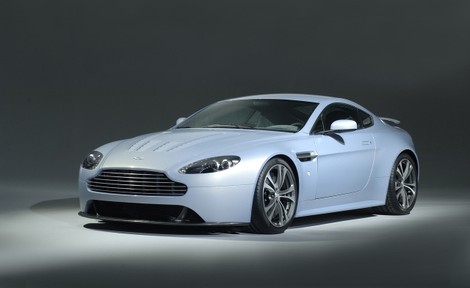
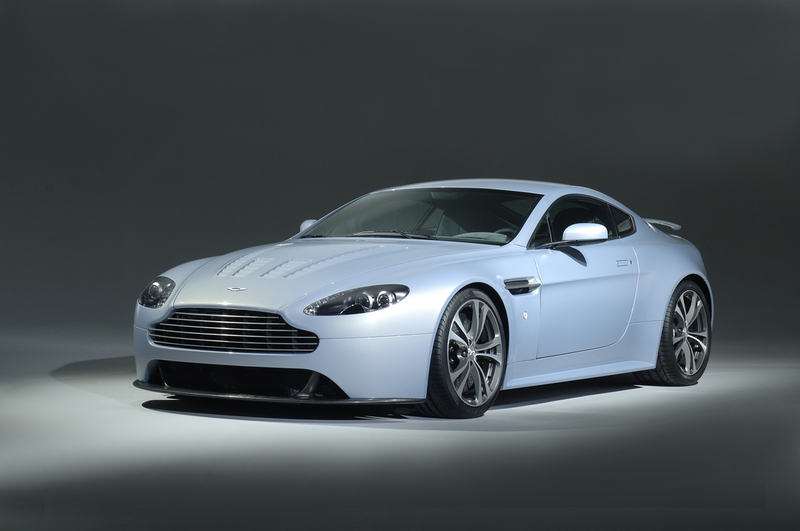
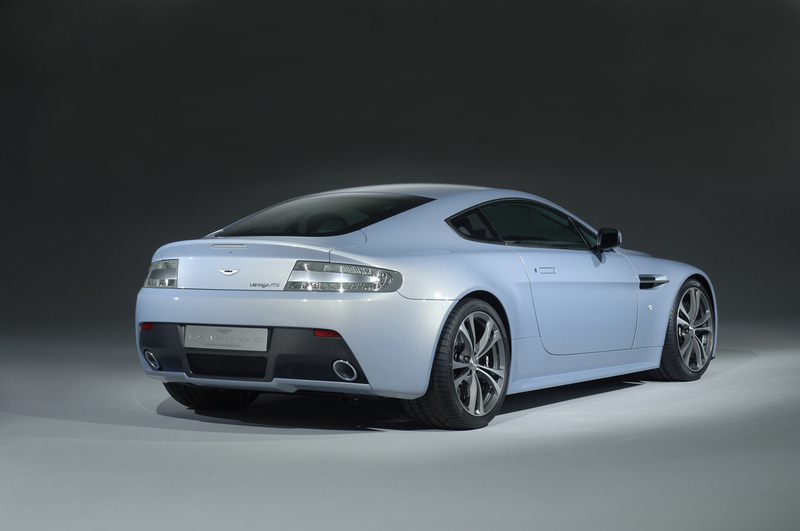
    Am_rs_1
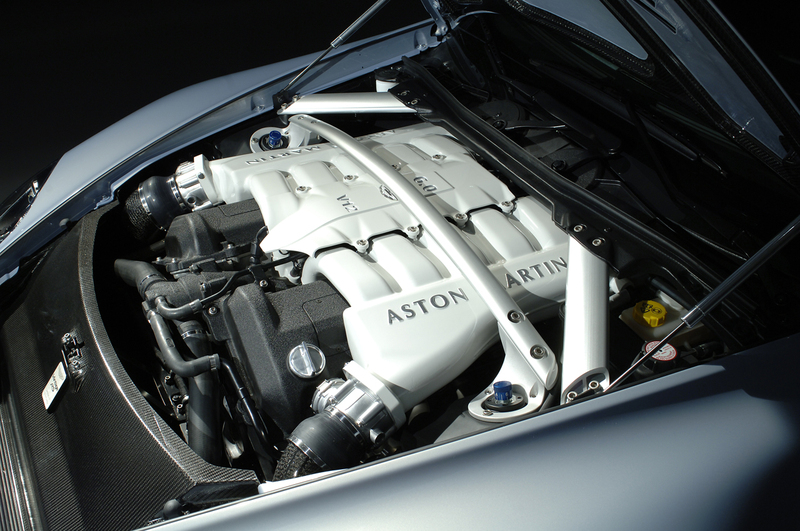
    Aston Martin has unveiled the Vantage RS model. Powered by a 600bhp V12 6.0-litre borrowed from the DBRS9 racecar, the car runs the 0-62 in less than four seconds and hit a top speed of 200 mph.

    Am_rs_2
    Engineers worked hard to reduce weight. The car features a new new carbon fiber pieces for the hood and boot lid. The Vantage RS features a front bumper which has cooling ducts for the carbon ceramic brakes, and a retractable rear spoiler. Despite its heavier engine. the RS saves 220 lbs compared to the standard DB9 and weighs 3,520 lbs. The car has a power-to-weight ratio of 375bhp-per-tonne. That’s better than a Porsche 911 GT2 and Ferrari 430 Scuderia, and only marginally worse than a Lamborghini Gallardo Superleggera.

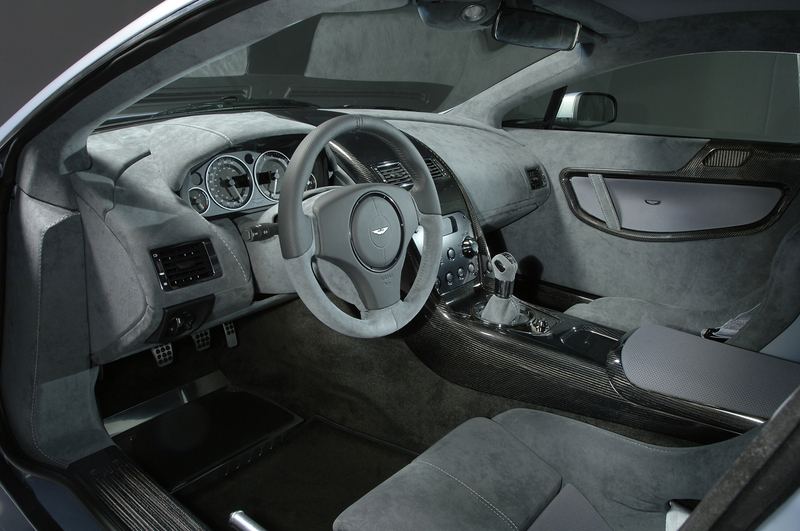
    Am_rs_3
    Aston Martin will build the Vantage RS if there is demand for it.

    Am_rs_4

  • Toyota wants to save £1.3 billion annually

    Toyota wants to save £1.3 billion annually

    Toyota_corolla_le_2008_exterior_gri
    Volkswagen wants to catch up with Toyota in 2018, but the Japanese is determined to rest on his laurels. Toyota CEO Katsuaki Watanabe wants the company to save £300 billion/£1.3 billion annually.

    Toyota has targeted cost reduction as an essential contributor to a sustained 10% operating profit margin while it nearly reached this target last year with 9.3%. Dubbed “VI” for Value Innovation, the new cost saving strategy will focus on lumping components into modules or systems. The first car to The first car to incorporate the new scheme will be the Crown saloon expected to be launched on February 18 next year. Volkswagen also plans to use the strategy to cut cost.

    The Japanese carmaker had already realised a similar plan under the leadership of Watanabe when he was Toyota’s purchasing director. called CCC21 for Construction of Cost Competitiveness in the 21st Century, it achieved £4.5 billion of cost savings over five years.

    In the meantime, Toyota plans to invest ¥1.5 trillion/£6.5 billion in future models and production facilities. It’s less than the amount invested by Volkswagen, but still enough to give headaches to American carmakers.

  • Ford to slow down V8 Mustang production

    Ford to slow down V8 Mustang production

    2007_ford_mustang_gt
    The rising gas prices combined with the debt crisis make another victim. After the pickup models, Ford has announced it will decrease the production of the V8 Mustang.

    The announcement is surprising as the V8 engine represents 52% of the sales compared to 30% originally planned, but Ford expects 2008 to be gloomy and doesn’t want to end giving discount to get rid of unwanted stocks.

    In November, sales decreased by 28.1% from 10,230 to 7,352 over the same period last year and since the beginning of the year, sales decreased by 18.1%. The November fall might be explained by the pre-orders taken by Chrysler for the new Challenger.

    The next-generation Mustang will be unveiled in 2009 and some development mules have already been spotted.

  • Volkswagen TSI receives two awards in Japan

    Volkswagen TSI receives two awards in Japan

    Tsi_main01
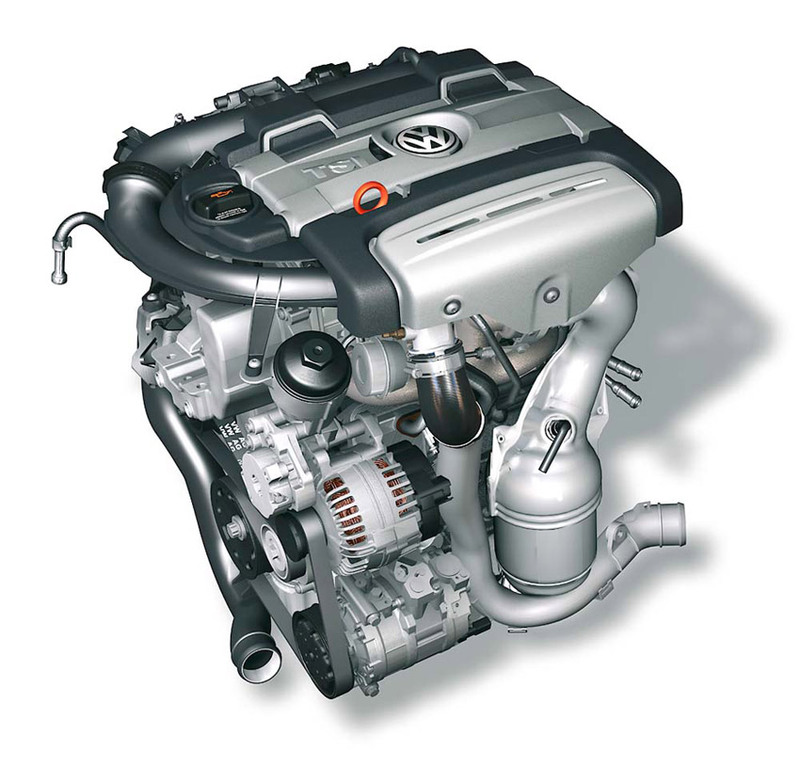
    Volkswagen has received two awards in Japan for its TSI engines in the Car of the Year categories of “Most Advanced Technology Award 2008” and “Technology of the Year”.

    The first prize has been awarded by Japan’s automotive journalists elect the most advanced technology while the second was elected by the jury of the Automotive Researchers’ and Journalists’ Conference.

    Combining a direct injection system with a turbocharger and a supercharger, the TSI offers the power of a large engine with the displacement usually seen on small cars. The 1.4-litre petrol engine can produce 138 bhp or 168bhp. Hooked up with a DSG gearbox, the less powerful unit enables the Golf to run the 0-62mph in 8.8 seconds, achieves a top speed of 205 km/h and yet consumes an average of only 7.1 litres of fuel in urban traffic and a mere 5.7 litres on the cruise.

    The small engine will be featured on the new Superb, the first large saloon to be equipped with such a tiny engine. Do not expect to see the 1.4-litre on a future Audi A4 or A6, even a Passat as company sources revealed that customers were not ready to drive executive saloons with small engines. Maybe the success of the Superb might change the minds.

  • Lucky James to drive the DBS again

    Lucky James to drive the DBS again

    Casino_royaleaston_martin_d
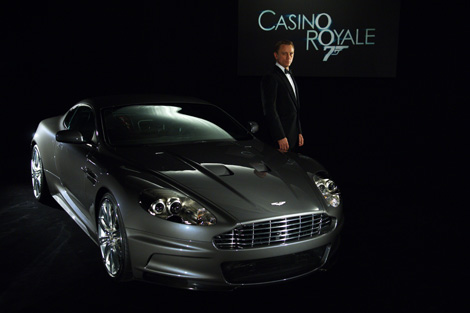
    James Bond will drive once again an Aston Martin in his next movie as the British car maker has announced that the lucky Daniel Craig will drive the DBS model.

    Aston Martin CEO, Dr Ulrich Bez, said: “Aston Martin is proud of our long association with James Bond. It is the perfect car for James Bond as it delivers the complete driving experience and bridges the gap between our road and track cars – the DB9 and DBR9.”

    Oddly, in the books written by Ian Fleming, James Bond drives a Bentley that he replaces with a Jaguar. Maybe Jaguar should have worked harder to feature the XF in the next James Bond which s scheduled for international theatrical release in November 2008.

  • New young head of design for Skoda

    New young head of design for Skoda

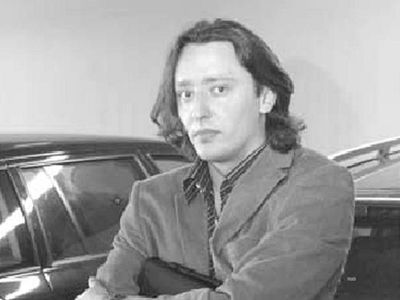
    P011996f0_s_jozef_kabanThe head of design at Skoda, Jens Manske will leave the Czech car maker to move the VW Group Design Department on 1 February, 2008 where his future assignment remains unknown. Under his leadership, Skoda design team styled the new Superb and some future models. He will be succeeded by a young designer Jozef Kaban.

    Born in Slovakia in 1973, he graduated from the Academy of Fine Arts & Design in Bratislava with a degree in Product And Industrial Design. He was discovered by Hartmut Warkuss during a design contest organised by Skoda and was offered a job as a Junior/Assistant Designer, later as an Exterior Designer. in 1997 he received a Master of Art at the Royal College of Art and joined Volkswagen. He designed the exterior styling of the 1999 EB 18.4 “Veyron“ concept car and worked on various models until 2003 when Hartmut Warkuss retired. Jozef Kaban moved to Ingolstadt where he worked on several projects before becoming Head of the AUDI AG Exterior Design Centre.

  • Ex-Mussolini Alfa to be auctioned

    Ex-Mussolini Alfa to be auctioned

    54312hh
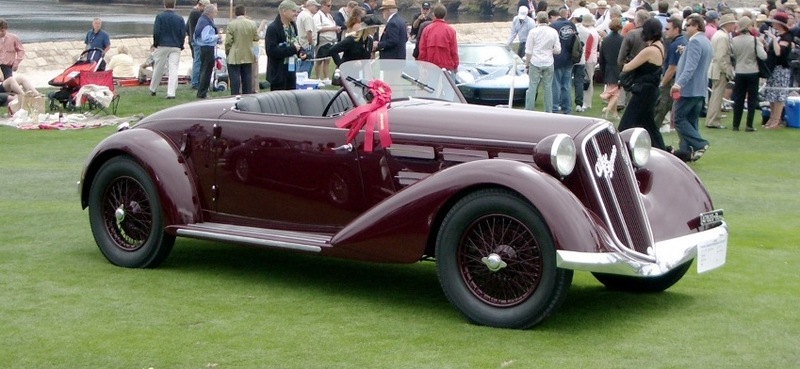
    H&H Classic Auctions will auction a 1935 Alfa Romeo 6C 2300 Pescara Spyder that belonged to Benito Mussolini on February 27 next year.

    The spyder was built to special order of the Italian dictator. Sporting the chassis number 700635, the car was based on the 6C 2300. The 6C 2300 was an evolution of the 6C 1500. Its creator Vittorio Jano wanted to improve the reliability of the car and therefore designed an engine with light alloy cylinder heads with chain-driven hollow camshafts for better lubrication. The engine also featured seven main bearings for rigidity. With a 70-mm bore and 100-mm stroke, the 6C 2300 continued the long stroke that gave Alfa’s engines high-end torque for drivability.

    Built by Carozzeria Touring, the car was modified before delivery to receive a dickey seat and the engine was tuned to increase the power to 95bhp from 68bhp on the standard version. The car competed at the 1936 Mille Miglia and finished 13th overall. It was driven by Mussolini’s chauffeur Ercole Boratto.

    The car is also a witness of the period as it retains traces of the partial alcohol fuelling system it is believed to have operated during the Mille Miglia, when the fascist regime was promoting the use of alternative fuels.

    The 1935 Alfa Romeo 6C 2300 Pescara Spyder is expected to weigh in at about £600,000-800,000.